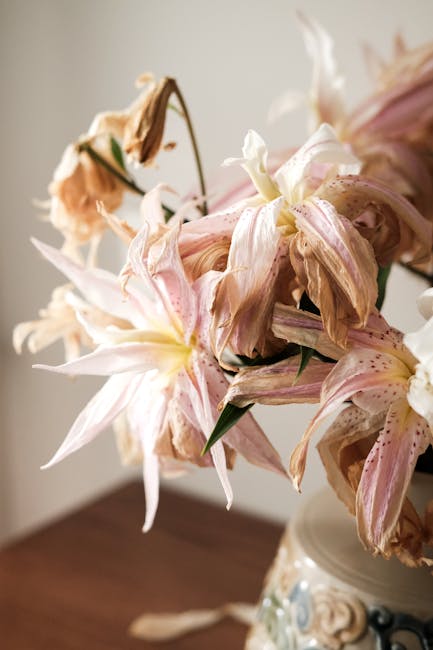
What to do with wilted bouquets in Putney flats
Posted on 14/05/2026
What to do with wilted bouquets in Putney flats: practical, tidy, and thoughtful next steps
If you live in a Putney flat, you'll know the drill: a beautiful bouquet arrives, fills the room with colour for a few days, and then-almost overnight-it starts to droop. The petals curl, the water goes cloudy, and the whole arrangement begins to look more tired than lovely. So what to do with wilted bouquets in Putney flats? The answer depends on how far gone the flowers are, how much space you have, and whether you want to rescue, repurpose, or compost them. This guide walks you through all three, with calm, practical advice that works in real life.
We'll cover what to do first, what to avoid in small London homes, and when it makes sense to replace a fading bunch with something fresher from a local florist in Putney SW15. You'll also find a checklist, a comparison table, and a few low-fuss ideas for making the most of flowers even after their best moment has passed. Truth be told, a wilted bouquet is usually not a disaster. It's just a nudge to act before the mess starts.
Why What to do with wilted bouquets in Putney flats Matters
In a flat, there's less margin for sloppy flower care. One neglected vase can mean water spills on a windowsill, fallen leaves on the carpet, and a faint sugary smell that turns into something less charming by day two. If you've ever come home after work and found a bouquet listing sadly on the kitchen table, you'll know how quickly a little floral beauty can become a housekeeping issue.
Putney flats often have compact kitchens, shared living rooms, narrow ledges, and not much ventilation in colder months. That makes wilted flowers more than a decorative problem. They can stain surfaces, attract fruit flies, and make a room feel untidy faster than you expect. If the bouquet came by post, from a same-day surprise, or as part of a special occasion, it can also feel a bit wrong to just dump it without thinking.
That's why the best approach is not "throw it out or keep it forever". It's a quick decision framework: can it be refreshed, split up, dried, composted, or replaced? If you're not sure, a few minutes with flower care guidance can save the rest of the arrangement. And if you're planning ahead for a fresh replacement, options like flower delivery in Putney or next-day flower delivery can be useful when time is tight.
Expert summary: In a small flat, the right response to wilted flowers is usually fast, tidy, and intentional. Rescue what you can, separate what you can't, and remove water and stems before they create extra mess.
How What to do with wilted bouquets in Putney flats Works
First, look at the bouquet honestly. Wilted does not always mean hopeless. Some flowers have simply dried out at the edges, while others have gone fully limp because the stems have blocked up or the water has turned sour. In plain English: if the blooms are drooping but the stems are still firm, you may have a chance. If the stems are slimy, the water smells unpleasant, or petals are dropping at the slightest touch, it's time to move on.
The process is straightforward. Start by taking the bouquet out of the vase and checking each stem. Remove any leaves below the waterline. Recut the stems at an angle if they still look fresh enough to drink. Then use a clean vase with fresh water. If the flowers perk up after an hour or two, great. If not, you can divide the arrangement into smaller bunches, keep the best stems in a compact vase, and compost the rest.
Sometimes the bouquet has sentimental value. Maybe it was an anniversary surprise, or a thoughtful gift sent through send flowers or same-day flower delivery. In that case, drying a few meaningful stems or keeping one bloom as a keepsake can feel more appropriate than a full bin job. Small flat, small decisions. Nothing fancy, just sensible.
For flowers that were chosen for a special occasion, it can also help to think about the next bouquet before this one has completely faded. A better vase, a different flower type, or a planned replacement from the best flower delivery options can make all the difference next time.
Key Benefits and Practical Advantages
Acting early has a few real advantages, and they matter even more in compact Putney living spaces.
- You reduce mess: fewer dropped petals, fewer sticky stems, and less water damage on side tables or shelving.
- You keep the room fresher: old water and decomposing foliage can make a small flat smell off surprisingly quickly.
- You save what's still beautiful: often, one or two stems can be salvaged even when the full bouquet is past its peak.
- You make better use of the gift: dried petals, pressed flowers, or a mini arrangement can keep the memory alive a little longer.
- You cut waste: composting or separating materials is usually better than sending the whole thing to landfill.
There's also a small but useful emotional benefit. A bouquet that has had a graceful ending feels different from one left to collapse in a vase. The second one nags at you every time you pass the table. The first feels finished. That sounds minor, but in a flat, where you notice every corner, it's not minor at all.
And let's face it, nobody enjoys clearing out floral swamp-water on a Wednesday evening. A quick reset is better than a gloomy, half-forgotten vase sitting there for days.
Who This Is For and When It Makes Sense
This is for anyone living in a Putney flat who receives flowers regularly or occasionally and wants a low-effort way to deal with them once they decline. It's especially useful if you:
- live in a studio or one-bedroom flat with limited space;
- work long hours and only notice the bouquet when it's already wilting;
- get deliveries for birthdays, anniversaries, or thank-you gifts;
- want to keep your home tidy without wasting the whole arrangement;
- care about sustainability and better disposal habits.
It also makes sense if you're choosing flowers for someone else. Some flowers last better in warm flats, some don't. If you know the recipient has a busy schedule or a small kitchen, you may want sturdier stems such as those found in alstroemeria, carnations, or chrysanthemums. Those varieties often give you a bit more time before they begin to look tired.
If you're sending flowers to a friend, relative, or colleague in the area, it may be worth thinking beyond the initial wow factor. A long-lasting bouquet can be better than a very delicate one, especially if the flat gets warm in the afternoon or the receiver is away for parts of the week.
Step-by-Step Guidance
Here's the cleanest way to deal with a wilted bouquet without overthinking it.
- Remove the bouquet from the vase. Work over the sink if you can. Old water sometimes splashes, and the last thing you want is a damp floor in a small hallway.
- Check the stems. If they're firm, recut them at an angle. If they're mushy or slimy, they're unlikely to recover.
- Strip off damaged leaves. Anything below the waterline should go. It slows bacterial growth and helps the vase stay cleaner.
- Sort the flowers. Keep the best-looking blooms together. Separate any stems that are beyond saving.
- Refresh the water and vase. Wash both properly. A clean vase is not optional, really.
- Try a mini rescue. Put the strongest stems into a smaller vase with fresh water and see if they revive within a few hours.
- Choose a next step. Reuse, dry, compost, or dispose of the bouquet responsibly.
If you want to replace the bouquet rather than rescue it, a quick browse of flower shops in Putney SW15 can help you find something fresh without overcomplicating it. For fast turnarounds, next-day flower delivery is often the practical move.
One small tip: don't wait until every stem has collapsed. Once the water has gone murky and warm, you're often too late for a proper rescue. That's just how it is.
Expert Tips for Better Results
If you're trying to get a few more days out of a bouquet in a flat, the details matter more than people think. Nothing dramatic, just the basics done well.
- Use cool, not warm, water. Especially for mixed arrangements. Warm water can speed things up in the wrong direction.
- Keep flowers away from radiators and sunny windows. Putney flats can get surprisingly toasty near glass in the afternoon.
- Change the water daily if you're rescuing stems. It sounds tedious, but it helps.
- Cut stems with a sharp blade or clean scissors. Crushing the stem makes it harder for the flower to take up water.
- Remove anything with mould or strong odour. One bad stem can affect the rest.
- Split a large bouquet into two or three small ones. That often looks better in a flat anyway.
If you're keen on longer-lasting gifts, browsing seasonal or premium ranges can help. Bouquets in the best sellers or luxury flowers categories often use stronger stems and more balanced designs. That does not guarantee they'll last forever-flowers are flowers, after all-but it usually helps.
Also, if the bouquet is meant for a special person, pairing flowers with a card can make a replacement feel intentional rather than like a quick fix. A simple note does a lot.
Common Mistakes to Avoid
The biggest mistake is leaving a wilted bouquet in the vase for too long. It feels harmless at first, then suddenly the petals are on the table and the water has that unmistakable stale scent. Not ideal.
- Leaving leaves in the water: this speeds up bacterial growth.
- Using a dirty vase: residue from old flowers can shorten the life of the next bouquet.
- Trying to save every stem: some stems are done, and that's okay.
- Ignoring spills: wooden furniture and soft furnishings in flats can stain fast.
- Composting the wrong bits together: plastic wrap, ribbon, and foam should not go into compost.
- Overfilling a tiny vase: cramped stems trap moisture and decay faster.
There's also an emotional mistake, oddly enough: treating a bouquet like rubbish before you've decided whether it has a second life. If it came from a meaningful occasion, give it one more look. Maybe one bloom is worth pressing. Maybe three stems can become a mini table arrangement. Or maybe it's time to let it go. Both are fine.
Tools, Resources and Recommendations
You do not need a fancy kit. Honestly, a lot of this comes down to having the right few things to hand.
- Sharp scissors or florist snips: for clean stem cuts.
- A clean bucket or washing-up bowl: useful for a quick stem soak.
- Two or three small vases: ideal for splitting arrangements in a flat.
- Paper towel or a tea towel: for catching drips while you work.
- Compost caddy or food-waste bin: useful if your building supports it.
- Flower food: helpful if it came with the bouquet, but not essential.
If you're ordering replacements, look at flowers by post in Putney SW15 for convenient delivery, or choose cheap flowers if you want something cheerful without spending too much. If the bouquet is for a birthday or anniversary, there are dedicated ranges that make the choice easier, such as birthday flowers and anniversary flowers.
For people who like predictable service, it can also help to check the shop's delivery and support pages before ordering. Things like guarantees, delivery information, and returns and refund details are worth understanding before you place a fresh order. Boring? Maybe. Useful? Absolutely.
Law, Compliance, Standards, or Best Practice
For households, the main best-practice issue is simple waste handling. In the UK, flowers and leaves are generally suitable for food or garden waste streams where local collections allow them. Packaging is different: plastic sleeves, plastic ties, foam, and non-compostable ribbon usually need separate disposal. If you live in a managed block, it's also worth respecting bin-room rules so that damp floral waste doesn't create smell or pest issues for neighbours.
There's no special legal drama here, but there is common-sense responsibility. Keep water out of communal hallways. Don't tip vase water where it could stain shared flooring. If you're disposing of a large arrangement, break down the materials before binning them. In a Putney flat, being tidy is part of being a decent neighbour, and that's probably the only standard you really need to worry about.
If you're ordering flowers for a business or a shared property, it may also help to check a florist's support and account options, such as corporate accounts, if you need regular deliveries and managed invoicing.
Options, Methods, or Comparison Table
Not every wilted bouquet needs the same response. Here's a practical comparison to help you decide quickly.
| Option | Best for | Pros | Watch out for |
|---|---|---|---|
| Refresh and recut | Flowers that are drooping but not rotten | Fast, cheap, can revive decent stems | Won't help slimy or mouldy flowers |
| Split into mini vases | Mixed bouquets with a few good stems left | Looks neat in a flat, reduces waste | Needs a few spare vases |
| Dry or press | Sentimental flowers or sturdy blooms | Creates keepsakes, low-cost | Best done before flowers are fully collapsed |
| Compost/food waste | Fully spent flowers and leaves | Responsible disposal, less clutter | Remove packaging first |
| Replace with a fresh bouquet | When you want a reset, or the flowers are beyond saving | Instantly improves the room | Costs more than a rescue attempt |
If you decide to replace rather than rescue, you can keep it simple with a new delivery from flower delivery Putney SW15 or go for something occasion-led like any occasion flowers. That way the flat gets a fresh lift without much fuss.
Case Study or Real-World Example
A fairly typical Putney scenario: a resident in a second-floor flat receives a mixed bouquet on Friday evening. By Sunday lunchtime, the roses are soft, the lilies are still okay, and the lower foliage has started to droop into the vase. The water smells faintly metallic-not awful, but not nice either.
Instead of binning the whole thing, they pull the bouquet apart at the sink. The best rose, two lilies, and a few alstroemeria stems are cut back and placed in a small vase on a sideboard away from the radiator. The rest goes into the food-waste caddy after packaging is removed. The result is much better than leaving the original arrangement in place. The room feels cleaner, and the remaining flowers still look deliberate rather than abandoned.
On Monday, they order a small replacement bouquet for the kitchen table through a local service rather than waiting for the old flowers to be fully exhausted. It's a tidy cycle, really. One bouquet ends well; the next starts well. That's the whole trick.
If the original arrangement had been a special gift-say from a partner or for a birthday-adding a fresh replacement from birthday flowers or a romantic range like romance flowers keeps the moment going without pretending the old bouquet will somehow recover by magic. Spoiler: it won't.
Practical Checklist
Use this quick checklist when a bouquet starts to fade.
- Check whether the stems are still firm.
- Remove any flowers with mould, slime, or a strong smell.
- Strip leaves from below the waterline.
- Wash the vase before reusing it.
- Recut usable stems at an angle.
- Split the bouquet into smaller displays if needed.
- Move it away from heat, sun, and fruit bowls.
- Decide whether to dry, compost, or replace it.
- Remove packaging and bin or recycle it correctly.
- Wipe up any spilled water straight away.
Quick rule of thumb: if it smells bad, feels slimy, or leaves a trail of debris wherever you touch it, it's time to let it go.
Conclusion
What to do with wilted bouquets in Putney flats comes down to one simple principle: don't let them drift into the background. Decide early whether to refresh, repurpose, or dispose of them, and your flat stays calmer, cleaner, and much more pleasant to live in. A little attention goes a long way, especially in smaller homes where every corner counts.
Sometimes the best move is to rescue a few stems. Sometimes it's to dry one bloom and compost the rest. And sometimes, to be fair, the most sensible thing is to start again with something fresh. That's not wasteful. It's just realistic. Flowers are meant to be enjoyed while they're here.
If you're ready to bring in something new, explore a local Putney florist for a quick refresh, or choose a delivery option that fits your week. A tidy home and fresh flowers do make a nice pair.
Get a free quote today and see how much you can save.
Frequently Asked Questions
Can wilted flowers be revived in a Putney flat?
Sometimes, yes. If the stems are still firm and the flowers are only starting to droop, recutting the stems, cleaning the vase, and using fresh water can help. If they smell bad or feel slimy, recovery is unlikely.
How long should I wait before throwing out a wilted bouquet?
You should not wait too long once the bouquet has gone soft and the water looks cloudy. A day or two of light drooping is one thing; bad smell, leaf drop, or mushy stems usually means it's time to compost or bin it.
What is the best way to dispose of flowers in a flat?
Remove all non-organic packaging first, then place flowers and leaves in food waste or compost if your building and local collection rules allow it. If you have no compost option, wrap them neatly before putting them in general waste.
Can I put old bouquet water down the sink?
Usually yes, but pour it carefully and avoid spilling on floors or shared areas. If the water is very dirty, empty it in the kitchen sink and rinse the vase straight after.
How can I keep my bouquet alive longer indoors?
Keep it away from direct sun, heaters, fruit bowls, and draughts. Change the water regularly, trim the stems, and remove leaves that sit below the waterline. A clean vase helps more than people think.
Are some flowers better for flats than others?
Yes. Hardier flowers like alstroemeria, carnations, and chrysanthemums usually last longer than very delicate stems. They're a good choice if the flat is warm or the recipient is busy.
Should I dry wilted flowers or compost them?
If the flowers still look attractive enough, drying or pressing a few stems can be a lovely keepsake. If the bouquet is already brown, slimy, or dropping petals everywhere, composting is the better option.
How often should I change vase water?
For best results, change it every day or every other day, especially in smaller flats where air may be warmer and stiller. Fresh water makes a noticeable difference.
What if my bouquet was delivered for a special occasion?
If it has sentimental value, keep one or two stems, press a flower, or turn it into a smaller display before disposing of the rest. You do not need to keep the whole thing to preserve the memory.
Is it worth ordering a replacement bouquet straight away?
If the room feels empty once the old flowers are gone, yes. A fresh bouquet can reset the space quickly. Services like same-day flower delivery or next-day flower delivery make that easy when you do not want to wait.
What flowers are best if I want something more sustainable?
Look for sturdy, longer-lasting stems and smaller arrangements that suit the room. It also helps to choose bouquets that arrive well protected and to check a florist's sustainability approach before ordering.
Do wilted bouquets attract pests in flats?
They can, especially if old water is left standing or petals start decomposing. Keeping the vase clean and disposing of spent flowers promptly reduces the risk.
Where can I find trustworthy flower delivery in Putney?
Look for clear delivery information, service guarantees, and easy contact details. A local provider with straightforward support pages, such as contact information and guarantees, usually makes the process less stressful.