Transport issues for large floral installs across Putney Bridge
Posted on 24/09/2026
Large floral installs can look effortless from the pavement. In reality, getting them there is often the hardest part. If you are dealing with transport issues for large floral installs across Putney Bridge, you already know the challenge is not just about moving flowers; it is about timing, access, weight, bridge traffic, weather, and the very human problem of keeping everything looking fresh when it finally arrives. One bump, one delay, one awkward unloading point, and a beautiful design can lose its shape before it is even in position.
This guide breaks down what actually causes these transport problems, how professionals plan around them, and what you can do to reduce risk. We will cover route planning, vehicle choice, handling, compliance, and the little on-the-day decisions that make a big difference. If you are preparing a wedding arch, event entrance, corporate display, or a high-impact floral backdrop near Putney Bridge, the details matter more than you might think.
Practical note: the bridge itself is only part of the story. Nearby streets, delivery windows, pedestrian flow, parking pressure, and last-metre handling can be just as important. Let's make that a bit less stressful.
- Why transport planning matters
- How large floral transport works in practice
- Benefits of proper planning
- Who needs this and when
- Step-by-step guidance
- Expert tips
- Common mistakes
- Tools and resources
- Compliance and best practice
- Options and comparison table
- Real-world example
- Checklist
- Conclusion
- Frequently asked questions
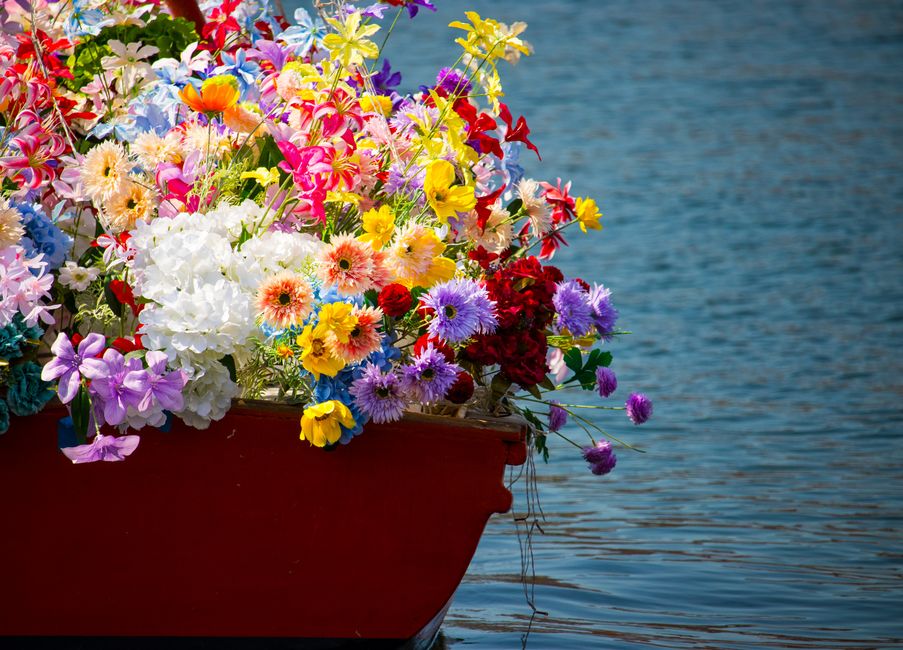
Why Transport issues for large floral installs across Putney Bridge Matters
Putney Bridge is a busy crossing in a live part of London, which means floral logistics are rarely simple. Large installs are fragile, often awkwardly shaped, and usually time-sensitive. A tall arrangement can snag on a doorway. A wide base can be difficult to manoeuvre through narrow access points. A chilled installation can overheat in traffic. Even a short delay can affect freshness, especially for delicate blooms like lilies, hydrangeas, and roses.
Why does this matter so much? Because transport is not an afterthought. It is part of the design process. A floral arch that looks perfect in the studio may need dismantling, reinforcement, or sectioning before it can even leave the workshop. If you skip that stage, you are gambling with the final result. And honestly, flowers do not forgive rough treatment.
There is also the reputational side. For weddings and events, the install is often photographed within minutes of arrival. There is very little room for fiddling about with damaged stems or retying a display on-site. When transport goes well, nobody notices. When it goes badly, everyone notices.
In our experience, the biggest issue is not a dramatic crash or complete failure. It is the accumulation of small things: a longer-than-expected route, a van that is too small, a display that was packed too tightly, or an unloading point that was assumed rather than checked. Those tiny missteps tend to add up fast.
Key idea: for large floral installs, transport is really a planning discipline. The flowers are only one part of it.
How Transport issues for large floral installs across Putney Bridge Works
The process usually starts long before the vehicle is loaded. A professional florist or event team will first assess the installation itself: dimensions, weight, material mix, fragility, and how it will be assembled on arrival. Then they map the route, decide how much can be transported in one piece, and work out whether the design should be split into modules.
Putney Bridge introduces a few practical realities. Bridge crossings can be congested at certain times, roadside stopping options may be limited, and nearby residential or commercial streets can be tight. That means delivery timing matters. A morning drop-off may be calmer than a late-afternoon arrival. Or it may be the reverse, depending on the venue and local traffic patterns on the day. Truth be told, there is no magic formula; there is only good preparation.
Most large floral installs move in one of three ways:
- Fully assembled in a protected vehicle: suitable for sturdy, compact designs or shorter journeys.
- Modular transport: the install is split into sections and rebuilt on site, which is usually safer for large pieces.
- Hybrid transport: some parts travel assembled while decorative or delicate elements are added at the venue.
Each method has a trade-off. Fully assembled transport can save time on-site, but it increases the risk of damage in transit. Modular transport takes more setup time at the venue, but it often gives far better control. Hybrid planning is common for complex events because, to be fair, very few large designs are built to survive every pothole and corner in one piece.
The other part of the process is acclimatisation. Flowers do not like heat, cold, or sudden changes. A van parked in sun for twenty minutes can become surprisingly warm inside. On a damp morning, condensation can also become an issue. That is why experienced teams think about ventilation, water retention, packaging, and how long the install can sit before final placement.
Key Benefits and Practical Advantages
Good transport planning is not just about avoiding damage. It improves the whole project from start to finish. When the move is well managed, the team works faster, the flowers look better, and the client gets a calmer, more predictable experience. That matters whether the install is for a private celebration or a high-visibility commercial space.
Here are the main advantages:
- Better freshness: flowers spend less time in stress conditions.
- Reduced breakage: stems, mechanics, and structural pieces arrive intact.
- Smoother install: the team can focus on placement rather than emergency repairs.
- Cleaner finish: less crushing, less sagging, fewer last-minute improvisations.
- More reliable timing: fewer surprises when the venue schedule is tight.
- Lower waste: fewer flowers need replacing after transit damage.
There is also a customer-experience benefit that gets overlooked. A tidy, well-planned delivery feels professional. It gives venue staff confidence. It gives event planners one less thing to chase. And it reduces the chance of awkward conversations just before the doors open. Nobody wants that at 8:45 in the morning with guests already arriving.
If you are comparing suppliers, this is one of the areas where quality really shows. A florist who understands route logic, loading discipline, and on-site setup constraints is not just selling flowers; they are managing risk.
Who This Is For and When It Makes Sense
This topic matters to a fairly wide range of people, not just event florists. Large floral installs often involve several moving parts, and each party has a different concern. Some care about design integrity. Others care about access. Others just want the whole thing to turn up on time and look expensive in the best possible way.
You will likely need to think about transport planning if you are:
- planning a wedding installation near Putney Bridge
- coordinating a corporate reception or launch display
- delivering sympathy or tribute work at scale
- setting up a flower wall, arch, or entrance feature
- handling a venue with restricted loading access
- working with premium stems that are vulnerable in transit
It makes sense whenever the floral work is too large, too valuable, or too delicate to treat like an ordinary bouquet. If you are sending something like a simple hand-tied arrangement, the risk profile is modest. But a large piece? Different story.
This is also relevant if several suppliers are involved. For example, a venue stylist might be supplying the furniture, a florist the floral feature, and a separate team the signage. The more complex the setup, the more important it becomes to coordinate arrival windows and unloading order. You really do not want three vans arriving at once and everyone trying to reverse into the same tiny space.
For everyday flower deliveries around Putney, you can usually keep things simple with a service like flower delivery in Putney SW15. Large installs, though, need a different level of forethought.
Step-by-Step Guidance
Below is a practical way to approach transport for large floral installs across Putney Bridge. It is not the only method, but it is a solid one. The key is to plan backwards from the install time and be realistic about how long each step really takes.
- Measure the final design. Record height, width, depth, and the size of the heaviest section. If the piece will be taken apart, note each module separately.
- Check venue access early. Look at door widths, lifts, stairs, loading bays, parking restrictions, and the path from the vehicle to the install point.
- Choose the transport method. Decide whether the piece should travel assembled, in sections, or as a mixed build.
- Select the vehicle carefully. The load area needs enough space, stability, and ventilation. A vehicle that is technically "big enough" may still be the wrong shape.
- Build in protective packing. Use crates, straps, water sources, anti-slip mats, and stem support where needed.
- Schedule the journey with traffic in mind. Putney Bridge area travel can be unpredictable, so allow a time buffer. Not glamorous, but necessary.
- Prepare the install kit. Bring scissors, tape, secateurs, spare foam, clean cloths, water spray, and any fixings required for on-site assembly.
- Assign roles. One person should navigate logistics, one should handle unloading, and one should protect the floral pieces. Too many hands can slow things down.
- Recheck before loading. Make sure the sequence of unloading matches the setup order.
- Allow a final adjustment window. The installation should not be planned to the minute. A few extra minutes for reshaping or hydration can save the whole look.
One useful habit is to treat the route as part of the pack-down plan too. If you know a piece was awkward to bring in, it may be awkward to remove later. That sounds obvious, but under pressure people forget. Then the exit is messier than the entrance, and nobody needs that at 10 pm.
If the install is for a wedding, something from the wedding flowers collection can often be adapted into a modular structure, which helps a great deal when the venue access is tight.
Expert Tips for Better Results
These are the little things that separate a smooth delivery from a stressful one. None of them are flashy. All of them matter.
- Design for transport first, drama second. The most beautiful large floral install is usually the one that can survive the journey.
- Keep hydration practical. For flowers that need water, plan how that will be maintained en route without leaking into the vehicle.
- Avoid overpacking. Tighter is not always safer. Compression can bruise petals and distort shapes.
- Use a rehearsal build if possible. For major events, a dry run reveals structural weak points before they become a venue-side panic.
- Photograph the packed state. This helps if the team needs to remember how sections were arranged before unloading.
- Choose hardy varieties where appropriate. Some blooms travel better than others. Florists often mix delicate focal flowers with more robust support flowers.
- Keep a spare kit. A few extra stems, pins, cable ties, and wrapping materials can rescue a near-miss.
A small, almost boring tip: keep a towel or absorbent cloth in the van. It seems trivial until you have a damp box, a drippy stem tray, or a slightly overenthusiastic water refill. Then suddenly it feels genius.
And yes, label everything. Every section. Every crate. Every cable tie bag. When the team is moving quickly, labels are the difference between calm and chaos.
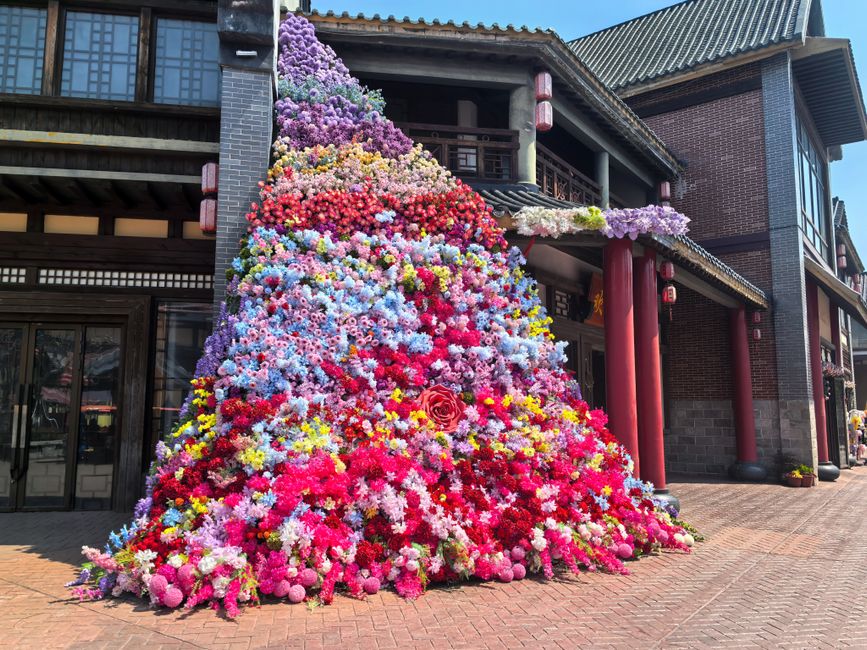
Common Mistakes to Avoid
Most transport problems are avoidable. The trouble is, the risky choices often look efficient at first. Here are the mistakes we see most often, and why they cause trouble near Putney Bridge.
- Using a vehicle that is too small: this leads to bending, stacking, or squeezing the arrangement beyond what it can safely tolerate.
- Ignoring loading access: a short vehicle journey means very little if the last 50 metres are a nightmare.
- Leaving too little time: big installs rarely move as fast as people hope.
- Not checking venue rules: some properties have strict arrival windows, concierge rules, or loading instructions.
- Assembling too early: a finished arrangement sitting too long before placement can wilt or shift.
- Underestimating weather: heat, rain, or wind can affect both transport and setup.
- Forgetting the exit plan: pack-down matters too, especially if the site becomes busy later in the day.
One of the most common errors is assuming that because the floral design is strong in the studio, it will stay strong in transit. Sometimes it will. Sometimes it will not. The bridge, the road surface, the braking, the cornering, the stop-start traffic - they all add movement. Flowers feel that movement more than people think.
Another classic mistake? Waiting until the day to discuss access. By then, you are already on the clock. That is when little problems become expensive ones.
Tools, Resources and Recommendations
You do not need fancy kit to manage floral transport well, but you do need the right basic tools. A little preparation goes a very long way.
| Tool or resource | What it helps with | Why it matters |
|---|---|---|
| Crates and florist boxes | Support and organisation | Stops sections shifting during transit |
| Non-slip mats | Vehicle stability | Reduces sliding on braking or turning |
| Hydration materials | Flower freshness | Helps sensitive stems stay alive-looking on arrival |
| Labels and load sheets | Sequencing | Makes unloading and install faster |
| Secateurs, tape, ties | On-site repair | Useful for quick corrections without returning to the workshop |
| Route and access notes | Planning | Helps avoid last-minute access surprises |
If you are choosing flowers for transport-heavy work, it can help to browse sturdier seasonal options. A broader selection such as all flowers or more robust pieces in luxury flowers can give a designer room to balance fragility and structure. That does not mean you avoid delicate blooms altogether; it just means you choose them intentionally.
For fuller operational context, it is also worth reading the site's pages on delivery, flower care, and sustainability. Those pages help build a more complete picture of how flowers are handled before and after the journey.
Law, Compliance, Standards, or Best Practice
Transporting large floral installs is not usually about one single law or rule; it is more about operating responsibly within a set of practical expectations. If you are working in London, that means paying attention to road safety, parking restrictions, venue policies, and the general duty to avoid blocking access or creating hazards. The exact requirements depend on the site and the nature of the job.
For example, a venue may require pre-booked loading slots, proof of insurance, or a specific arrival route. A building manager may ask that items be carried through service entrances only. A public-facing setup may need extra care to avoid obstructing pedestrians or leaving trip hazards. Those are not just formalities. They are part of good professional practice.
In addition, safe manual handling matters. Large floral structures can be awkward even when they are not especially heavy. Two people carrying a tall frame through a narrow corridor can look fine right up until they hit a corner. That is the point where planning becomes safety-critical.
Best practice usually includes:
- clear access checks before the event
- appropriate vehicle size and load securing
- safe lifting and carrying methods
- communication with venue staff
- contingency time for delays or corrections
If you are handling corporate or repeat event work, a supplier with a sensible process will often also have account-level support. You can explore options like corporate accounts if you manage regular installations and need a more structured way of working.
Where standards are concerned, the safest mindset is simple: do not improvise where safety, access, or flower condition could be compromised. That is usually the most reliable rule of all.
Options, Methods, or Comparison Table
Different installs need different transport methods. There is no one-size-fits-all answer, which is a bit annoying, but there you go. The right approach depends on size, fragility, setup time, and the venue's access.
| Method | Best for | Pros | Cons |
|---|---|---|---|
| Fully assembled transport | Compact, sturdy designs | Fast setup, fewer joins on site | Higher risk of damage in transit |
| Modular transport | Large arches, walls, entrances | Safer in the van, easier through access points | More assembly time at venue |
| Hybrid transport | Complex premium installs | Balanced approach, flexible | Needs tighter coordination |
| On-site build from components | Very large or delicate pieces | Best control over final shape | Most time-consuming |
The choice is not only about size. It is about confidence. If a piece can survive the journey, great. If not, break it down. A slightly longer setup is usually better than an expensive repair job beside a venue entrance with people asking whether the flowers are meant to lean that way.
For event-led floral work, collections such as wedding table arrangements and bridal bouquets show the contrast clearly: some pieces are naturally easier to transport, while others need a more careful logistics plan.
Case Study or Real-World Example
Here is a realistic scenario based on the kind of job floral teams deal with all the time. A client wants a large floral entrance display for a Putney event space near the bridge. The design includes a curved frame, heavy base mechanics, fresh roses, trailing greenery, and a few delicate focal blooms. The event starts in the early evening, but access to the venue is only possible within a short window earlier in the afternoon.
The first instinct might be to build the whole piece in the workshop and deliver it as one unit. That sounds efficient. But once the team checks the access route, they notice a narrow service entry, a turn into a small courtyard, and limited turning space. So the plan changes.
The display is divided into sections. The base is delivered first, then the main structure, then the flower clusters and finishing elements. The team uses padded crates and a simple loading sequence so the most fragile pieces come off last. Because Putney Bridge traffic is busier than expected that afternoon, the van leaves earlier than originally planned. Not wildly early. Just enough.
At the venue, one stem has shifted and a small cluster needs a quick reset. Nothing dramatic. The install still finishes on time, and the final display looks full, balanced, and camera-ready. That is usually how good transport work goes: quietly, with one or two minor corrections that never become a story.
Expert summary: the best transport plan is the one that protects the flowers, respects the access route, and gives the on-site team enough breathing room to make the final piece look intentional, not rushed.
Practical Checklist
Use this checklist before any large floral install across Putney Bridge. It is simple, but it catches the things people forget when they are busy.
- Confirm venue address, access route, and unloading point
- Check bridge and local traffic timing for the delivery window
- Measure all floral sections and confirm vehicle fit
- Decide whether the install travels assembled or in modules
- Prepare protection, hydration, and securing materials
- Label each section in unload order
- Bring tools for quick repairs and final shaping
- Allow contingency time for delays or access changes
- Confirm any venue rules, loading restrictions, or insurance needs
- Brief everyone involved on the install sequence
Simple rule: if the checklist feels overcautious, that usually means it is just cautious enough.
Conclusion
Transport issues for large floral installs across Putney Bridge are really about managing detail under pressure. The bridge, the roads, the venue, the weather, and the flowers themselves all have a say in the outcome. When you plan properly, choose the right transport method, and give the install enough breathing room, the whole process becomes much calmer.
That is the real win here. Not just a beautiful arrangement, but one that arrives looking as if it was always meant to be there. Fresh, balanced, and right on time. Simple enough to say, not always simple to do - but absolutely achievable with the right approach.
If you are organising a major floral delivery or event setup in the area, it helps to work with a florist who understands both design and logistics. For general support, you can also explore about us and contact us to learn more about the team and how to discuss your requirements.
Get a free quote today and see how much you can save.
And if you are planning something special near the bridge, do not worry too much. With a sensible plan, the flowers can get there beautifully. They usually do.
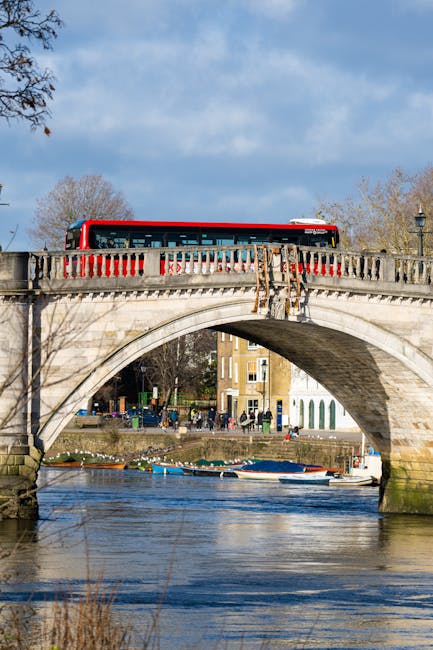
Frequently Asked Questions
What are the main transport issues for large floral installs across Putney Bridge?
The main issues are access, timing, route congestion, vehicle size, and keeping flowers protected from heat, cold, or rough handling. Large installs also need careful unloading because a venue entrance or courtyard can be harder to navigate than the road itself.
Should large floral installs be transported fully assembled?
Sometimes, but not always. Fully assembled transport works best for sturdy, compact designs. For bigger or more delicate pieces, modular transport is usually safer and easier to manage on the day.
How far in advance should transport be planned?
For major installs, transport should be planned as early as the design stage. Ideally, access, vehicle choice, and delivery timing are all agreed well before event week so nobody is making rushed decisions at the last minute.
What kind of vehicle is best for large floral installations?
The best vehicle is one that fits the load comfortably, allows secure positioning, and offers enough ventilation. Size matters, but shape matters too. A van that is technically large enough may still be awkward if the structure is tall or wide.
Can flowers survive a longer journey across London?
Yes, if they are packed and managed properly. The key is to reduce movement, maintain hydration where needed, and avoid unnecessary time in a hot or cold vehicle. Delicate blooms need more care, but longer journeys are manageable with good planning.
What should be checked at the venue before delivery?
Check the unloading point, door widths, lift access, stairs, parking restrictions, arrival windows, and any venue rules. It also helps to know where the floral pieces will be assembled and who will be available to help on arrival.
Are there special concerns for wedding floral installs?
Yes. Wedding installs are usually time-sensitive and highly visible, so transport delays can affect the entire schedule. The design also has to look immaculate for photography, which makes careful handling especially important.
How do florists protect large arrangements in transit?
They often use crates, padding, anti-slip mats, support structures, water sources, and labelled packing order. For very large installs, the arrangement may be broken into sections so each part is protected more effectively.
What is the biggest mistake people make with floral transport?
The biggest mistake is underestimating the final approach to the venue. People often focus on the journey itself and forget that unloading, carrying, and assembly can be the hardest part of the job.
Do I need to think about compliance or safety for a floral delivery?
Yes. You should consider safe loading, manual handling, venue access rules, pedestrian safety, and any local parking or stopping restrictions. Good practice keeps the team safe and helps the installation arrive without problems.
How can I reduce the risk of damage during transport?
Use the right size vehicle, secure the load properly, avoid overpacking, and choose a transport method that matches the design. It also helps to schedule enough time for loading and installation so the team is not rushing.
What flowers travel better for large installs?
Generally, sturdier flowers and greenery travel more reliably than very soft, delicate stems. Many designs combine both, using robust blooms as the base structure and more fragile flowers as the finishing layer.
Where can I find flowers suited to large event work?
It helps to look at collections designed for weddings, luxury occasions, and mixed floral designs. The best choice depends on the scale of the install, the venue access, and how long the flowers will spend in transit.